BLOG
Performance Marketing Expert
The Ultimate Guide to Digital Marketing in 2026: Strategies That Actually Drive Results
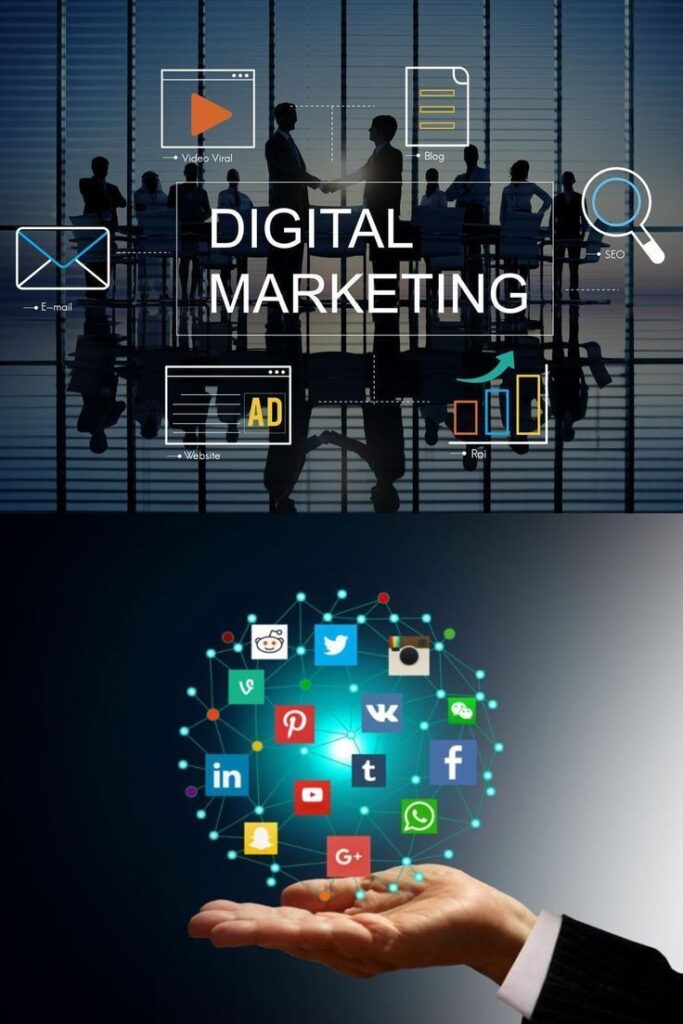
Today, the concept of digital marketing in 2026 has moved beyond the idea of merely running advertisements and maintaining social media presence. Instead, it has become a comprehensive approach that ensures the development of a full ecosystem that can produce growth. As algorithms change, AI tools become more advanced, and consumer habits evolve, businesses must resort to more intelligent and sophisticated techniques to remain at the top.
Today, Google values experience-based content, while Instagram and LinkedIn, for instance, value authenticity and engagement that is based on providing value. This is what can help create a website that not only attracts customers but converts them as well.
1. Search Engine Optimization (SEO) Is Still King
SEO remains the backbone of digital marketing. Ranking on the first page of search engines increases visibility, credibility, and organic traffic.
Key Points:
Focus on keyword research based on search intent
Optimize website speed and mobile responsiveness
Create high-quality, long-form content
Use internal linking strategies
Optimize for voice and AI search
2. Content Marketing Builds Authority
Content is what attracts, educates, and converts your audience. Blogs, videos, podcasts, and guides help establish brand authority.
Key Points:
Publish consistent, valuable blog content
Use storytelling to connect emotionally
Repurpose content across multiple platforms
Focus on problem-solving articles
Add strong calls-to-action (CTAs)

3. Paid Advertising for Fast Results
While SEO takes time, paid ads generate immediate traffic and leads.
Platforms like Meta Ads and Google Ads allow hyper-targeted campaigns.
Key Points:
Use retargeting campaigns
Optimize landing pages for conversions
A/B test ad creatives
Track ROI and conversion metrics
Use audience segmentation
4. Marketing Automation & AI
Automation tools help scale marketing efforts without increasing workload.
Key Points:
Email automation sequences
CRM integration
Chatbots for instant responses
AI-based content personalization
Predictive analytics
5. Data-Driven Decision Making
Tracking and analytics help refine your strategy continuously.
Tools like Google Analytics provide insights into user behavior.
Key Points:
Track bounce rates and session duration
Monitor conversion funnels
Analyze traffic sources
Identify high-performing content
Continuously optimize
Digital marketing in 2026 is about integration, personalization, and value creation. A successful website is not just visually appealing — it is strategically optimized for search engines, built for user experience, and designed to convert visitors into customers.
The Ultimate Guide to SEO in 2026: How to Rank Higher on Google and Drive Organic Traffic
But the most effective form of digital marketing, Search Engine Optimization (SEO), continues to hold the top spot for driving organic traffic to your website. In the face of changing algorithms on search engines like Google, the focus needs to be on the quality of content, the overall user experience, and the technical optimization of the website to achieve greater visibility on the search results page. From merely incorporating keywords, SEO has evolved to understanding the intent of the visitor, the quality of content, and the authority of the website. A well-optimized website not only boosts visibility but also helps to build credibility and generate consistent leads, all without requiring significant investments in advertising.
1. Keyword Research and Search Intent
Keyword research is the basis for effective SEO. Knowing what people are searching for can help you create content that answers exactly what they are asking. Instead of focusing on broad keywords, focus on long-tail keywords that can meet the intent of the people searching for that content, whether informational, navigational, or transactional. Using strategic keyword placement can increase the ranking potential of the content while keeping the content readable.
Key Points:
Target long-tail and low-competition keywords
Analyze competitor keywords
Focus on user intent
Use keywords naturally in content
Optimize meta titles and descriptions
2. On-Page SEO Optimization
On-page SEO means ensuring that all the pages of your website are well-organized for both search engines and users. This includes the proper use of headings (H1, H2, H3), the addition of internal links, proper alt text for images, and proper URL structure, among other things. Proper website structure benefits search engines and users, hence improving your ranking.
Key Points:
Optimize heading structure
Improve URL readability
Add internal linking
Optimize images with alt tags
Maintain keyword consistency
3. Technical SEO for Better Performance
Technical SEO focuses on the site’s speed, responsiveness on mobile devices, security, and performance. Search engines favor websites with quick loading speeds and a seamless user experience. Using HTTPS, optimizing core web vitals, and fixing broken links are key considerations in technical SEO.
Key Points:
Improve website loading speed
Ensure mobile-friendly design
Use secure HTTPS protocol
Fix crawl errors and broken links
Submit XML sitemap
4. High-Quality Content Creation
Content is the backbone of a successful SEO campaign. Creating informative, engaging, and unique content helps build authority for your niche market. Search engines prefer content that offers actual value for the reader. Focus on problem-solving, answering questions, and revising older content regularly.
Key Points:
Create in-depth blog posts
Update outdated content
Use engaging visuals
Add FAQs for rich snippets
Maintain consistent publishing schedule
5. Off-Page SEO and Link Building
Improving off-page SEO enables you to increase the authority of your site through backlinks from other credible sources. When other websites link back to your content, it is a way of establishing trust with search engines. It is the quality rather than the quantity of backlinks that is significant.
Key Points:
Guest posting
Build high-authority backlinks
Social media sharing
Collaborate with industry experts
Monitor backlink profile
SEO is a long-term investment that can provide sustainable results. By investing in keyword research, on-page optimization, technical optimization, content creation, and link building, businesses can achieve better search engine rankings and organic traffic. As a digital marketer creating your own website, writing blogs focused on SEO can not only enhance your online presence but also make you an authority in the field.